Destinations
Pick the right South American tour for you among the continent’s top 6 countries: Argentina, Bolivia, Brazil, Chile, Ecuador, and Peru. Our tours cover the very best of each country and we also offer multi-country tours and specially designed itineraries for deserving places like the Amazon Rainforest, the Galapagos Islands and Patagonia

What's your destination ?
Can your visit to South America include both Machu Picchu and Iguazu waterfalls, the Galapagos Islands, and the Uyuni salt flats? Maybe it is too hard to cross out any country from your next South American tour? Stop thinking! Our Multi-Country Tours have been designed to offer you the best of Argentina, Bolivia, Brazil, Chile, Ecuador, and Peru. You can combine from two to six of these wonderful South American countries
View 2-country tours View 3-country tours View 4-country toursView all
tours
View 1-week tours View 2-week tours View 3-week toursView all
tours

Spreading over nine South American countries, the Amazon rainforest is the largest and most biodiverse tropical rainforest on earth. It is also home to the Amazon river, the longest river in the world that carries 20% of all river water on Earth. Check our Amazon Rainforest Tours and dive into the green depths of Peru, Ecuador or Brazil and explore the fascinating jungle while cruising in style down the Amazon river or from the comfort of your rainforest lodge.
View Brazilian Amazon Tours View Ecuadorian Amazon Tours View Peruvian Amazon Tours View Pantanal Tours

The birthplace of tango and home of the gauchos, Argentina will not cease to inspire you with its breath-taking landscapes, its rich cultural identity and the congeniality of its people. The great variety of climates spanning over the many latitudes of this vast country foster a unique contrast of scenery, from the tropical forests of Iguazu to the desert region of Salta to the spectacular glaciers of Patagonia.

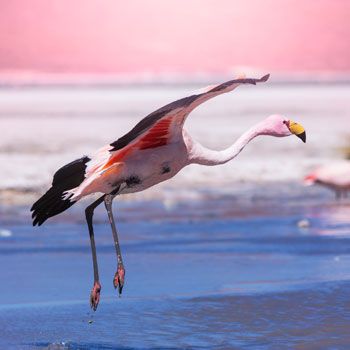
Bolivia is one of the less traveled destinations in South America, but it is one of the most authentic places where Andean traditions and colonial heritage blend in harmony. Bolivia boasts a rich contrast of landscapes far from tourist crowds. From the majestic Lake Titicaca to the infinite Salt Flats of Uyuni and along the Bolivian altiplano with its colorful lakes home to the noble-looking flamingoes, this beautiful country is calling for your next adventure

The 5th largest country in the world, Brazil is almost a continent itself, stretching across nearly half of South America. From its old-growth tropical forests, home to the powerful Amazon River, to the impressive Iguazu falls and the Pantanal tropical wetlands, Brazil is a place where to experience nature’s wonders and paradise-like beaches. Smiling Brazilians, samba music at every street corner and refreshing caipirinhas will surely add great value to your trip

Stretching from tropical Peru to the Antarctic ocean, Chile’s unique geography spans over a great variety of landscapes. Venture into the moon-like Atacama Desert. Journey through the wide-open spaces of southern Chile to the giant glaciers of Patagonia. Fly to explore the mysteries of the remote Easter Island. Taste top Chilean wines in the Colchagua valley. Explore the modern city of Santiago and the bohemian port of Valparaiso, a UNESCO World Heritage site
View Patagonia ToursView Easter Island tours

This small country boasts four highly varied ecosystems for travelers to explore: the sandy beaches of the Pacific coast, the snowcapped mountains of the Andes, the tropical rainforest of the Amazon and the natural wealth of the Galapagos Islands. Volcanoes, waterfalls, Amazon rainforest, colorful markets, friendly locals, preserved traditions and UNESCO World Heritage cities, Ecuador might be small, but it has it all!

Experience the unparalleled fusion of South America's marvels, uniting the Galapagos Islands with captivating destinations like Peru, Argentina, Brazil and more. Our thoughtfully curated travel packages intertwine the breathtaking allure of the Galapagos with the vibrant tapestry of cultures, landscapes, and history across these diverse countries. From the unique biodiversity of the islands to the iconic wonders of South America, immerse yourself in an unforgettable journey that seamlessly blends adventure, discovery, and cultural richness.

Patagonia covers nearly a third of Argentina and Chile and it is one of the least populated places on Earth. Outside of Antarctica, it is home to the largest expanse of ice in the Southern Hemisphere, the Southern Patagonian Ice Field, which boasts an impressive 48 glaciers. Stunning national parks, giant glaciers, colorful lakes and quiet fjords are all part of the grandiose experience on our Patagonia tours

Land of the Incas and other pre-Colombian civilizations, Peru has more to offer than the already fascinating Machu Picchu. The mystic waters of Lake Titicaca, the mysteries of the Nazca lines, an incredibly rich biodiversity, the colonial cities of Lima, Cusco and Arequipa as well as world-renowned cuisine are the reasons why it is such a popular destination. Do not worry, Peru’s success is not unwarranted as it consistently comes up to every visitor’s expectations